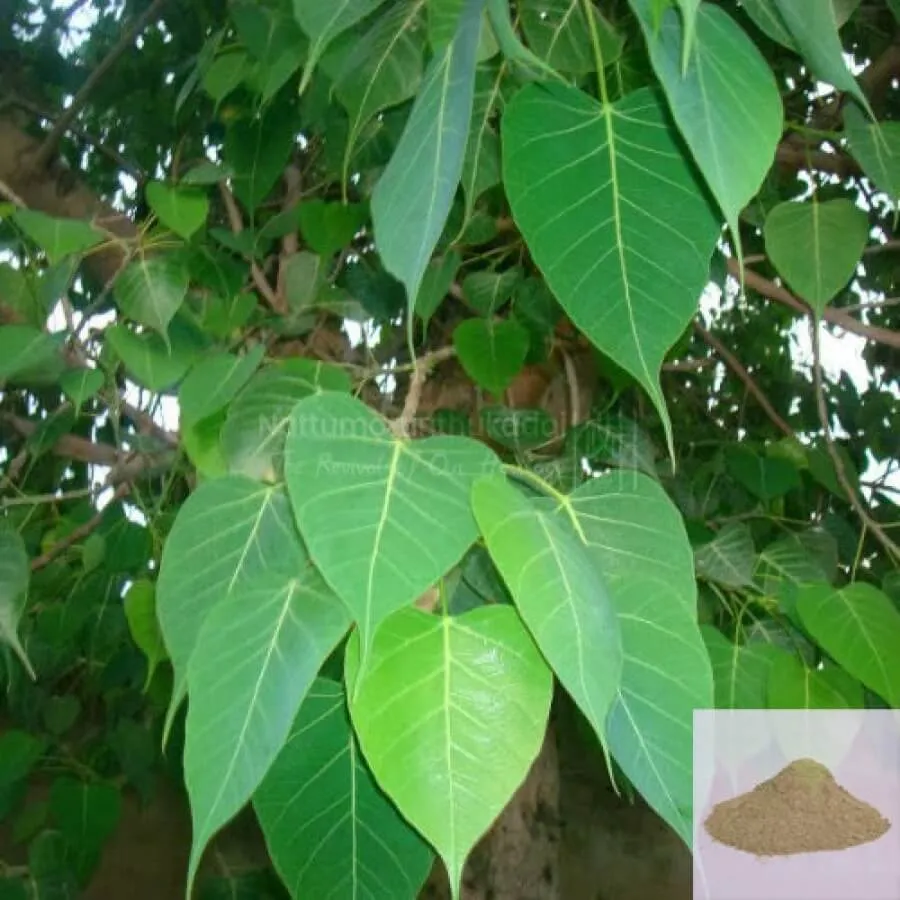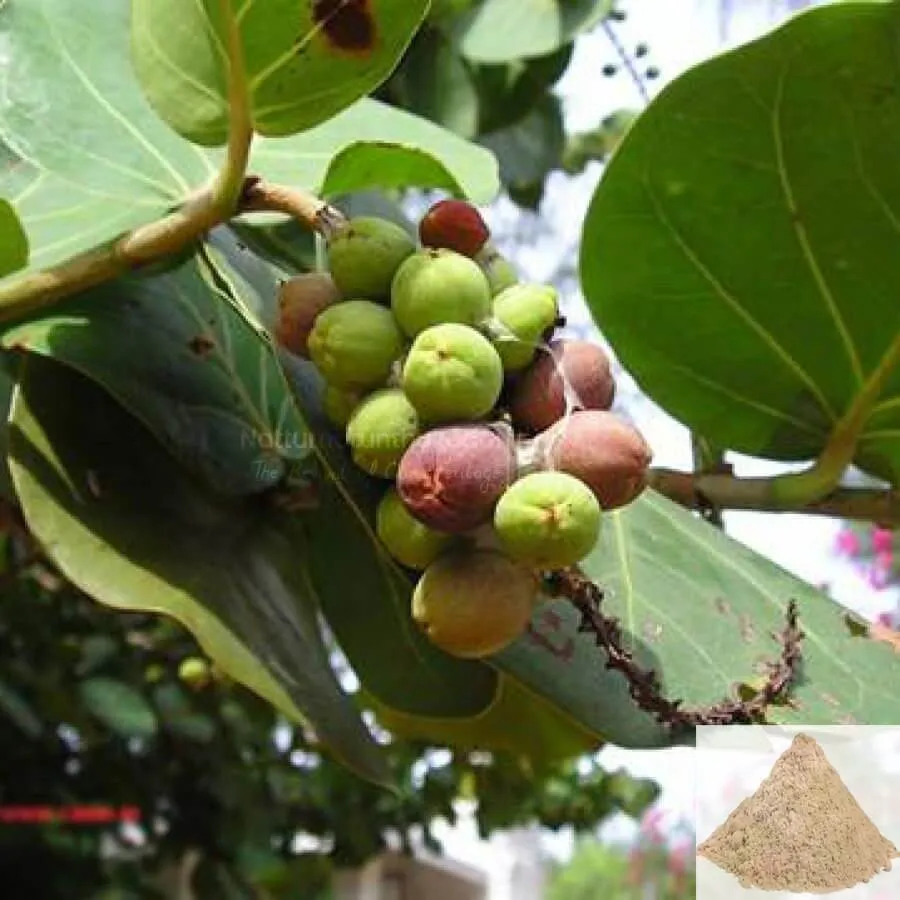


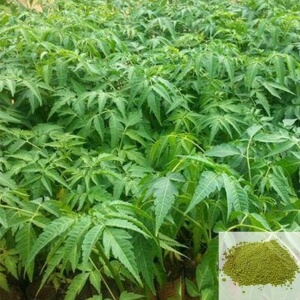
Malai Vembu / Chinaberry Powder
Malai Vembu Powder is prepared from Melia dubia (Malai Vembu / Chinaberry), a traditional medicinal tree used in Siddha and Ayurvedic practices. It is valued for supporting overall wellness, maintaining vitality, and promoting natural body balance.
- Traditionally supports overall health and wellness
- Helps maintain natural vitality and well-being
- Rich in naturally occurring plant compounds
- Widely used in Siddha and Ayurvedic herbal practices
- Suitable for traditional herbal wellness routines
How to Use
Mix 1–2 grams (½ teaspoon) with warm water and consume once or twice daily before food, or use as directed by a qualified healthcare practitioner.
Botanical Name : Melia azedarach
English Name : Chinaberry
Tamil Name : மலைவேம்பு / Malaivembu
Hindi Name : बकैन / Bakain
About Malaivembu (Chinaberry Leaf):-
- Malaivembu tree is frequently confused with Neem. However, the structure of the leaves and the color of the flowers, A large evergreen tree native to India, growing wild in the sub-Himalayan region. In India, Muslims are credited with the spread of the tree. The bark is reddish-brown, becoming fissured on mature trees. The deciduous leaves are bipinnate and 1-2 ft long. The individual leaflets, each about 2 in long and less than half as wide, are pointed at the tips and have toothed edges. In spring and early summer.
Benefits of Malaivembu (Chinaberry Leaf):-
- Malaivembu for dengue: The plant is mainly used as dengue fever medication to improve the blood platelets count.
- Malaivembu is useful for women’s infertility: In ayurvedic treatment, these herbal plant parts are used to treat fertility problems and used as a natural medication to conceive.
- Malaivembu powder for mosquito repellent: The powdered leaves are also used as a natural mosquito repellent. The smoke from burnt leaves of malaivembu can prove helpful to solve the problem of mosquitoes.
- Stomach worm medication: Those who are suffering from intestine worms can take advantage of the leaves of malaivembu. Chew and eat the fresh leaves everyday morning on empty stomach for a few weeks.
Procurement & Agriculture Method:
90% of Our Herbs are Wild crops and 100% organic by nature; the remaining 10% are organically grown, dried, and pulverized with no chemical or preservatives.
Disclaimer:
The Consumption details and benefits listed out on our website are taken from Tamil ancient books and Siddha records, as well as their, has been further fine-tuned by our Siddha Doctors Team. Anyhow you are requested to consult your doctor before use.
மலை வேம்பு மருத்துவ பயணங்கள்:
- மாதவிலக்கைத் தூண்டும்
- குடல் புழுக்களைக் கொல்லும்.
- கட்டிகளைக் கரைக்கும்
- தாய்ப்பால் சுரப்பைக் குறைக்கும்..
- உடல் பலத்தை அதிகரிக்கும்.